
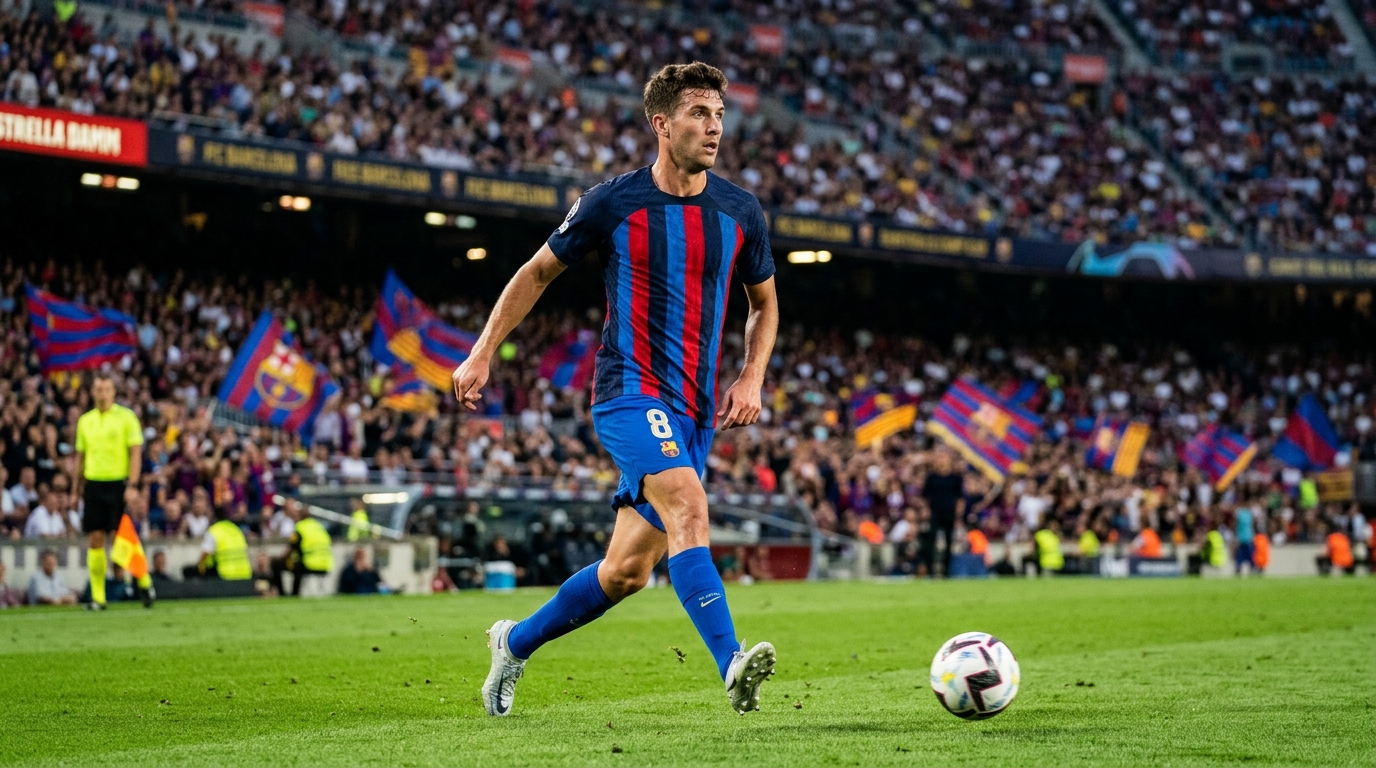
One of European football's most compelling transfer stories of the 2026 summer window reached a new level of intensity this week as FC Barcelona had their second formal bid for Manchester City midfielder Rodri rejected. The two clubs remain significantly apart in their valuations of the 30-year-old Spaniard, but the player's own actions are making this saga increasingly difficult to contain — and increasingly difficult for City to win.
Here is a comprehensive breakdown of where the situation stands, what the numbers look like, and which club is positioned to blink first.
The Bids and the Gap
Barcelona opened their pursuit with an initial offer of approximately €45 million — rejected immediately by Manchester City as wholly inadequate. The Catalan club returned with an improved bid incorporating add-ons that pushed the total package to approximately €60 million (£51 million). City again said no.
The problem is the gap. Manchester City's internal valuation of Rodri — despite his contract situation — sits between €70 million and €80 million (£60–£65 million) in guaranteed fees. Barcelona, constrained by their financial fair play position and La Liga's strict salary cap regulations, are struggling to bridge that gap without selling assets or securing player-trading arrangements. The two clubs remain separated by roughly €20–25 million of guaranteed money.
Rodri's Position: A Player Forcing the Issue
The most significant development is not financial — it is behavioural. Rodri has reportedly requested permission to miss training as he pushes to accelerate his departure. This is an extraordinary step for a player of his professional stature, and it signals one thing clearly: Rodri has made a decision, and he wants to go home to Spain.
Born in Valencia and formed at Atlético Madrid before his move to City in 2019 for £62.8 million, Rodri has become perhaps the most influential midfielder in world football over his six seasons in Manchester. He was the heartbeat of City's treble-winning 2022/23 squad and arguably the single most important non-Haaland player in their domestic dominance. Losing him is not a sporting inconvenience for Pep Guardiola's side — it is a structural crisis.
- Manchester City appearances: 228 in all competitions
- Trophies at City: 4× Premier League, 1× Champions League, 1× FA Cup, 2× EFL Cup
- International: 2024 Euros winner with Spain, World Cup runner-up 2026
- Contract status: Final year, expiring June 2027
What Barcelona Would Be Getting
For Barcelona, signing Rodri is not simply about strengthening their midfield. It is a statement of cultural and footballing identity. Rodri is a product of the Barcelona school of football even without having played there — his understanding of positional play, his technical range, and his ability to dictate rhythm from deep are precisely the qualities that have defined great Camp Nou midfields for thirty years. He would slot alongside Pedri and Gavi to form a midfield that has no stylistic equal in world football.
More practically, Barcelona have been looking for a commanding defensive midfielder since the decline of Sergio Busquets. Rodri is not just a like-for-like replacement — he is a generational upgrade. His ability to protect the backline while simultaneously acting as the first point of construction under pressure is what separates him from every other midfielder in his position.
Manchester City's Dilemma and Replacement Options
City's dilemma is well understood internally. They cannot force Rodri to stay if he genuinely wants to leave, particularly with only one year remaining on his deal. Holding out risks losing him on a free transfer in twelve months — the worst possible outcome. But selling below €70 million sets a precedent they are uncomfortable with, and it leaves them facing an immediate replacement search in a window already short of time.
City have been linked with Chelsea's Enzo Fernández as a potential replacement should a Rodri deal be agreed. That alternative, however, would likely cost even more than the Rodri sale generates — leaving City in a net negative transfer position for a position swap that represents a clear sporting downgrade.
Timeline and Outcome
With the window closing September 1, the next ten days are critical. Barcelona need to find a way to close the €20 million gap, whether through add-ons, player exchange, or stadium naming right revenues that improve their financial flexibility. If they cannot, they risk watching Rodri enter the final year of his contract — which, paradoxically, makes the player more valuable to City to sell now than in January.
Our assessment: a deal gets done before the deadline, likely at around €65–68 million with performance-related add-ons. Neither side benefits from a prolonged standoff, and Rodri's willingness to apply direct pressure is the decisive variable.
Discussion